Korčula Go

On the stone streets of Korčula, Holy Week is not a reenactment for visitors; it is a living tradition locals simply call Vela setemana (“Holy Week”). For centuries, faith, music, movement, and community have shaped these days leading to Easter, turning the old town into a quiet stage where devotion and identity walk side by side.

At the heart of these customs are three historic lay brotherhoods whose members preserve the rituals, chants, and routes inherited from their predecessors:

  • Bratovština Svih Svetih 
  • Bratovština sv. Roka
  • Bratovština Gospe od Utjehe (Pojasa)

Dressed in traditional robes and moving in solemn order, they lead processions that have changed little over time.

Cvijetnica – Palm Sunday 

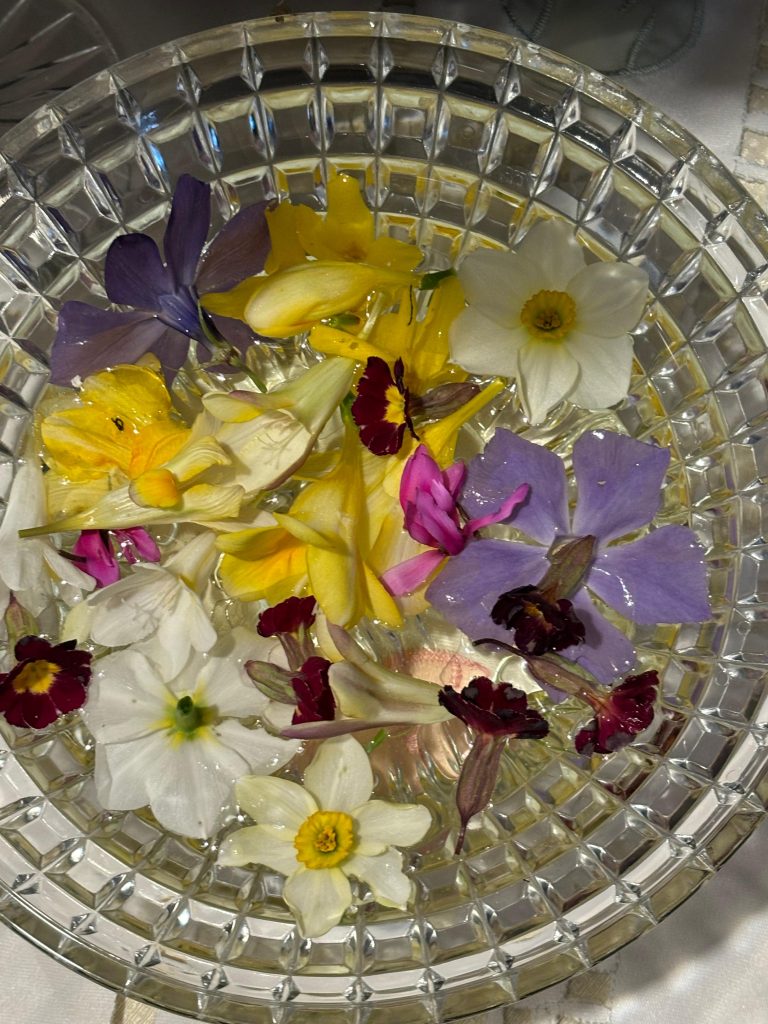
In many households, the morning starts with an old custom: washing the face with water infused with spring flowers and herbs. Blossoms gathered from gardens and fields are left overnight in a bowl of water, and at dawn family members wash with this fragrant infusion. The act is simple, but symbolic — a sign of freshness, renewal, and spiritual preparation for the days ahead.

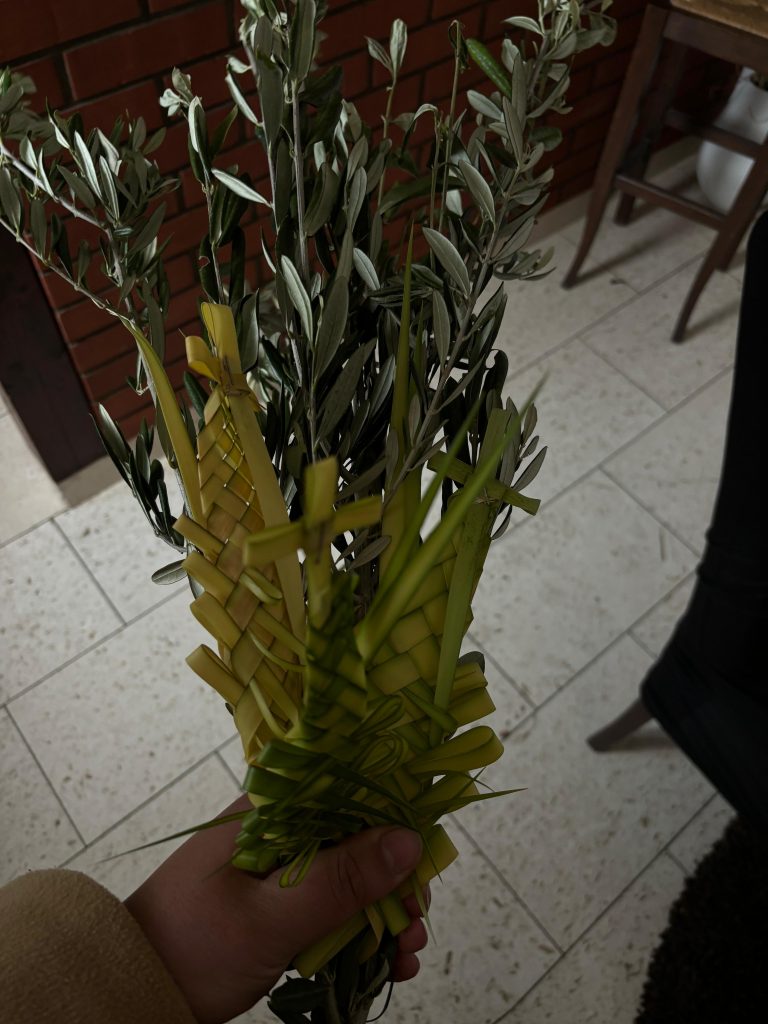
Palm Sunday opens Holy Week in Korčula with a gesture that is both simple and deeply symbolic. Long before Mass begins, homes prepare what will be carried to church: hand-woven palm fronds and fresh olive branches gathered from nearby groves.

These are not store-bought decorations. The palms are carefully braided into delicate shapes — crosses, plaits, and small ornamental forms — using skills passed quietly through generations. Olive branches, a natural emblem of peace and the Mediterranean landscape, are added to the bundle. Together, they represent welcome, blessing, and continuity with the land that sustains the community.

Families bring these woven palms and olive branches with them to Mass, where they are blessed at the start of the liturgy. The church fills with the soft green of olive leaves and the pale gold of palm, creating a visual reminder of the Gospel scene being recalled: Christ’s entry into Jerusalem.

After the service, the blessed palms and branches are taken back home and placed behind crosses, above doorways, or near family icons. They remain there throughout the year as a quiet sign of protection and faith, only to be replaced the following Palm Sunday.

In Korčula, this custom is more than ritual. It is a moment when nature, craftsmanship, and devotion come together — marking the beginning of Holy Week with something made by hand, carried with care, and kept with reverence.

Holy Monday, Tuesday, and Wednesday

In the early days of Holy Week, life settles into a steady, contemplative rhythm. Holy Monday, Tuesday, and Wednesday are outwardly simple, yet deeply meaningful days marked by the same structure: a Low Mass followed by a procession through the old town streets.

Each day, one of the historic brotherhoods takes its turn in leading the prayers and procession.

After the Mass, the members dress in their traditional robes and form a modest procession. They walk slowly through the narrow stone streets, accompanied by subdued chants and prayer. There is no announcement, no performance — only the quiet repetition of a ritual that has shaped the spiritual landscape of the town for centuries.

For locals, these three days are not simply a prelude to the intensity of Good Friday and Easter. They are an essential preparation — a gradual turning inward, a shared movement through prayer, silence, and familiar paths.

Holy Thrusday

Holy Thursday marks a visible deepening of Holy Week. The tone shifts from the quiet rhythm of the early days to a more solemn and ceremonial atmosphere as the town gathers for the Mass of the Lord’s Supper in St. Mark’s Cathedral.

During the liturgy, the ancient rite of the washing of the feet recalls humility and service. Members of the historic brotherhoods take part in the celebration dressed in their traditional robes, standing as living links between past and present.

After the Mass, the Blessed Sacrament is carried in procession to the Altar of Repose. From this moment, a quiet vigil begins. The church remains open, and residents come and go in silence, keeping watch in prayer late into the night.

The streets outside grow still, but inside the cathedral there is a sense of wakefulness — a shared awareness that the most solemn moments of the week are approaching.

Good Friday: The Most Solemn Walk of the Year

On Good Friday, the atmosphere becomes especially intense.

In the afternoon, the faithful gather in St. Mark’s Cathedral for the liturgy of the Passion. The altar stands bare. The mood is austere. Ancient chants recount the suffering and death of Christ in tones that seem to rise from centuries past.

As evening falls, the three historic brotherhoods — Bratovština Svih Svetih, Bratovština sv. Roka, and Bratovština Gospe od Utjehe (Pojasa) — form the most solemn procession of the week. Dressed in traditional robes and carrying symbols of the Passion, they move slowly through the narrow streets by candlelight.

There is no music beyond the human voice. No sound but the measured steps on stone and the layered lamentations sung from memory. Residents watch in silence from doorways and windows as the procession passes, a ritual repeated year after year along the same ancient route.

Good Friday in Korčula is not observed — it is walked. In the darkness, faith, memory, and community move together through the town, carrying forward a tradition that remains as powerful today as it was generations ago.

Preko gora – Across the Hills Procession

In the early hours of Holy Saturday, around 4 a.m., one of Korčula’s most intimate customs takes place: Preko gora (“across the hills”).

A small procession departs from St. Mark’s Cathedral and walks through the parish, visiting churches and chapels in prayerful silence before the Easter Vigil. The name evokes a spiritual crossing — a symbolic journey of penance and reflection before the joy of Easter morning.

In the darkness before sunrise, traditional chants echo through empty streets. There are no spectators, no announcements — only participants moving through a ritual older than memory.

Why These Traditions Still Matter

What makes Holy Week in Korčula remarkable is not only its age, but its continuity. Children grow up watching, listening, and eventually joining. Roles are inherited. Songs are remembered rather than read. Routes are walked because they have always been walked.

These days reveal a side of Korčula that summer visitors rarely see: a community bound not by schedule, but by shared remembrance.

Visitors are welcome, but with an understanding: this is first and foremost a time of worship. If you attend:

  • Dress modestly and remain quiet during processions
  • Avoid using flash photography
  • Follow the procession respectfully rather than interrupting it
  • Let the experience unfold without rushing


You are witnessing something deeply personal to the people who carry it forward.
Share

Leave a Reply

Your email address will not be published. Required fields are marked *

SEARCH

FEATURED
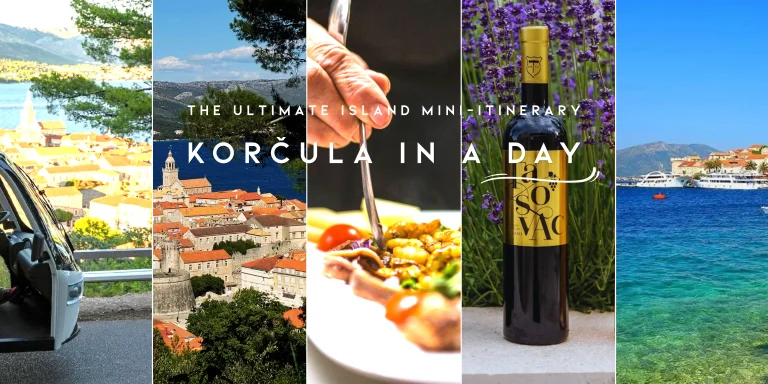
Korčula in a Day: The Ultimate Island Mini-Itinerary
May 8, 2026 7:46 am No Comments Arriving by ferry from Split, the island of Korčula rises from the...
Vela Setemana – Holy Week Traditions in Korčula Town
April 5, 2026 6:35 pm No Comments On the stone streets of Korčula, Holy Week is not a reenactment...
Sun, Sea, and Serenity on Korčula – Bačva Beach
August 27, 2025 9:29 am No Comments If you’re searching for a peaceful slice of paradise on...
Dinner at Hajduk Restaurant: A True Taste of Dalmatia
August 3, 2025 11:14 am No Comments If you’re looking for an authentic, satisfying dinner...
An Evening at Konoba Mate in Pupnat: A True Taste of Korčula
October 7, 2024 7:15 pm 2 Comments Nestled in the quiet village of Pupnat, Konoba Mate is the...

INSTAGRAM